By Brooke Kelly
This analysis of The Social Network was originally written as an essay for a screenwriting class.
Main Character Moments
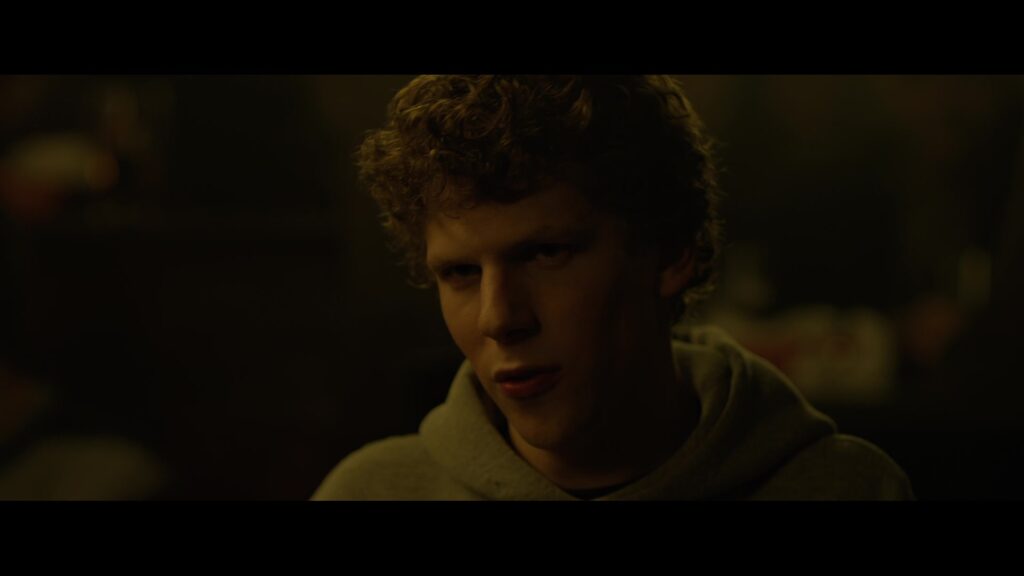
In his book, The Anatomy of Story, John Truby emphasizes the importance of an interesting main character, who drives the entire story. In Aaron Sorkin’s The Social Network, co-founder and CEO of Facebook, Mark Zuckerberg, serves as this main character. Of course, Sorkin has based this screenplay on the real-world history of Facebook, and, likewise, his characters are based on real people. In order to tell this story, Sorkin has to frame Mark as the main character, as he was the driving force of Facebook’s creation, but his bad attitude and selfishness do not lend to a likeable character. Truby claims, “Having a likeable (sympathetic) hero can be valuable because the audience wants the hero to reach his goal” (76). However, Truby provides a caveat to this: “the trick to keeping the audience’s interest in a character, even when the character is not likeable or is taking immoral actions, is to show the audience the hero’s motive” (77).
Exclusivity
Sorkin, from the opening scene of the film, is focusing on Mark’s motivation rather than trying to make him a sympathetic character. Mark and his date, Erica, are discussing Mark’s desire to stand out against Harvard’s competitive population of Harvard. He expresses his desire to get into a final club and claims, “It’s about exclusivity.” This is the concept that will motivate Mark throughout the entire movie: he will attempt to enact revenge against those who exclude him by excluding them.
The first major example of Mark being excluded is his exclusion from a relationship with Erica at the beginning of the film. When she breaks up with him, Mark becomes angry and creates Facemash to bring down Erica and women generally. This scene serves to demonstrate a few of Mark’s key characteristics: his ruthlessness, his technical ability, and intensely angry reaction to rejection.
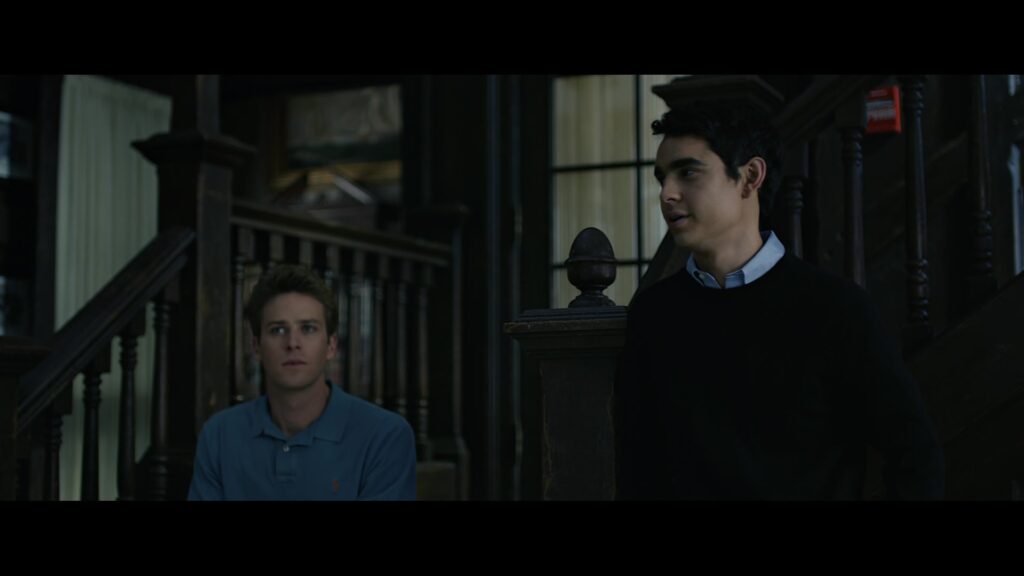
These characteristics continue to push the plot forward. When Mark first meets the Winklevoss twins, he is predisposed to jealousy and dislike of them because they are part of the exclusive final club, the Porcellian, and they row crew. In this scene, however, the Winklevosses are including Mark by inviting him into the Porcellian’s living room and into their business venture, Harvard Connection, but Mark’s preconceived notion of the brothers and his desire to be on the exclusionary side of a situation prevents him from appreciating this situation.
Instead, Mark takes their idea of creating a social network that requires a Harvard email address to join—which is inherently exclusionary—and excludes them from his development of the company Facebook.
Nails in the Coffin
Once Mark has his idea for Facebook, he lets his good friend, Eduardo, in on the company as CFO, but this does not last for long. Over the course of the film, Eduardo gets accepted into the Phoenix, a final club at Harvard, excluding Mark from this part of his life. Despite Eduardo’s unwavering investments and attempts to make Facebook profitable, Mark is scorned by Eduardo’s inclusion in the exclusionary club, which eventually leads to Mark’s most unlikable decision: kicking Eduardo out of the company. When Mark and Eduardo have a meeting with Sean, the creator of Napster, Mark is smitten with Sean’s confidence and technical prowess. More than that, Sean likes Mark. Sean has never excluded Mark. From the moment these men meet, they are on the same page, and Eduardo is excluded from their opinions on the future of Facebook. Eduardo is excluded further by Mark’s relocation to the west coast and, finally, by his share of the company being reduced to almost nothing.
In no part of The Social Network is Mark a character that the audience wants to sympathize with, but his motivations are clear, keeping the audience invested in his next move and ultimately feeling scorned by Mark’s betrayal of his former friend.
Sources Cited
Fincher, David. The Social Network. Columbia Pictures, 2010.
Truby, John. The Anatomy of Story: 22 Steps to Becoming a Master Storyteller. Picador, 2007.